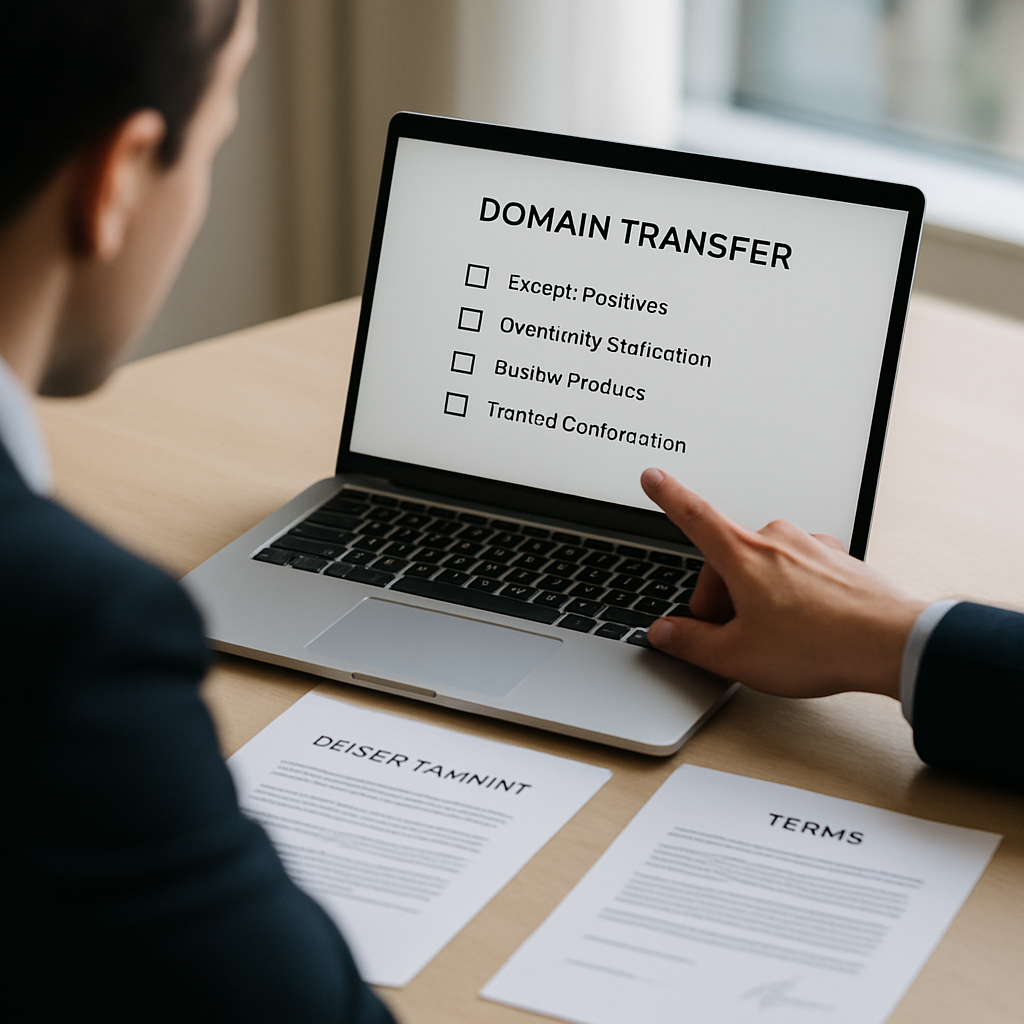
A Seller’s Checklist for Preparing a Domain Name for Sale
Introduction
A domain sale is often shaped before the first offer arrives. Buyers assess the name, confirm ownership and consider how much risk is involved in completing the transfer. If you plan to sell a domain, addressing these concerns early can make the process more straightforward.
Preparation helps remove avoidable obstacles while keeping control of the domain until payment and transfer terms are clear. Good domain listing preparation doesn’t require a flashy presentation; it means giving serious buyers enough information to make a decision.
The seller’s job is to set a credible price, anticipate buyers’ questions and avoid mistakes that weaken their negotiating position. When you sell a domain, a little preparation can help you handle each step with confidence.
The Seller and the Buyer: Reading the Field
Sellers know how a domain was acquired and used, and whether any obligations are attached to it. Buyers need enough context to assess its fit, risks and potential uses. A good sale process shares relevant information without revealing sensitive details too early.
Start with ownership verification. Check that the registrant details are accurate, you can access the account, and the domain isn’t subject to a dispute, financing arrangement or other restriction. Before you sell a domain, check its expiry and renewal status, and confirm that any co-owner agrees to the sale.
These basic checks can determine whether negotiations move forward. If the domain is registered to a business, confirm who has authority to sell it. If you’re using an intermediary, agree in writing on their role and fees before sharing confidential information.
Buyers need context, not a sales pitch. Include a clear domain description that briefly explains the domain’s spelling, possible uses, relevant history and any practical limitations. Don’t make claims about traffic, revenue or search performance unless you can support them with evidence. Unsupported promises can make the domain seem riskier, not more valuable.
Key Factors
Pricing is the first strategic decision. Before you sell a domain, set an asking price and a private minimum, using comparable sales, the domain’s length and clarity, its commercial relevance and the likely number of buyers as guides. Comparable sales are only a reference: similar-looking names can attract very different levels of interest.
Use several sources of evidence rather than relying on one automated estimate. Consider whether the name is easy to say and spell, how broad its meaning is, and whether it raises legal or reputational concerns. A price based on a plausible buyer’s needs is easier to justify than one based on personal attachment.
Choose a listing approach that suits the domain. A public marketplace can bring visibility, while a private approach may work better for a distinctive name with a small pool of likely buyers. State the asking price or say that offers are invited, and clarify whether the price is negotiable. To sell a domain successfully, make sure the chosen approach reaches the right potential buyers.
Keep the listing factual and consistent. Include the exact domain, a plain-language description, your preferred transaction method and any important details about its current status. If it’s used for a live business or email, explain how continuity will be handled. Leaving this unclear can delay a sale.
Prepare for buyer inquiries before publishing. Buyers may ask about ownership, the reason for selling, previous use, evidence of traffic or revenue, transfer timing and price flexibility. Decide what you’re willing to disclose, gather supporting records and make sure your answers match the listing. People who sell a domain can save time by preparing clear, consistent responses in advance.
Protect your privacy and account security. Don’t share passwords, authentication codes or unnecessary personal information during early discussions. Buyers may reasonably ask for proof, but provide it through controlled channels. Don’t give access to the account before the transaction is secured.
Plan the transfer in advance. Identify the registrar, check that the domain can be transferred under its current settings, and find out about any waiting periods or account procedures. When you sell a domain, payment, account access and transfer are separate steps, so agree on their order. Use a reputable escrow service where appropriate.
Decide how you’ll handle negotiations. Set a private walk-away figure, consider whether you’d accept instalments or bundled assets, and know when you’d pause the conversation. A prepared seller can respond calmly to a low offer without revealing their minimum. This preparation also supports sale readiness if a serious buyer appears quickly.
The Sale Scenario
Imagine a buyer finds a domain that suits a new product. The listing is clear, ownership has been verified, and the seller can answer practical questions promptly. With fewer uncertainties, the discussion can focus on price and terms. A seller who wants to sell a domain can help create this kind of smooth experience by preparing the details in advance.
Now consider the opposite: outdated registrant details, an expired or soon-to-expire registration, vague traffic claims and no transfer plan. Even a credible offer may lose momentum while the buyer waits for proof and corrections or wonders whether the seller can complete the transfer. Unresolved issues can give the buyer reason to lower the offer or walk away.
What makes the difference isn’t clever sales copy. It’s a series of small, verifiable details that make the transaction feel straightforward. Sellers who prepare their documents, anticipate questions and protect account security are better placed to negotiate on reasonable terms.
Preparation can’t guarantee a sale. A well-prepared domain may attract little interest if demand is limited, while an unexpected buyer may appear for a name that has gone unnoticed. Preparation can’t create a market, but it can prevent a real opportunity from being lost to avoidable confusion.
Conclusion
To sell a domain effectively, treat the listing as the start of a transaction, not the whole process. Verify ownership, set a price supported by evidence, describe the domain accurately and plan a safe, workable transfer. If you’re ready to sell a domain, these steps help buyers assess the opportunity and understand what comes next.
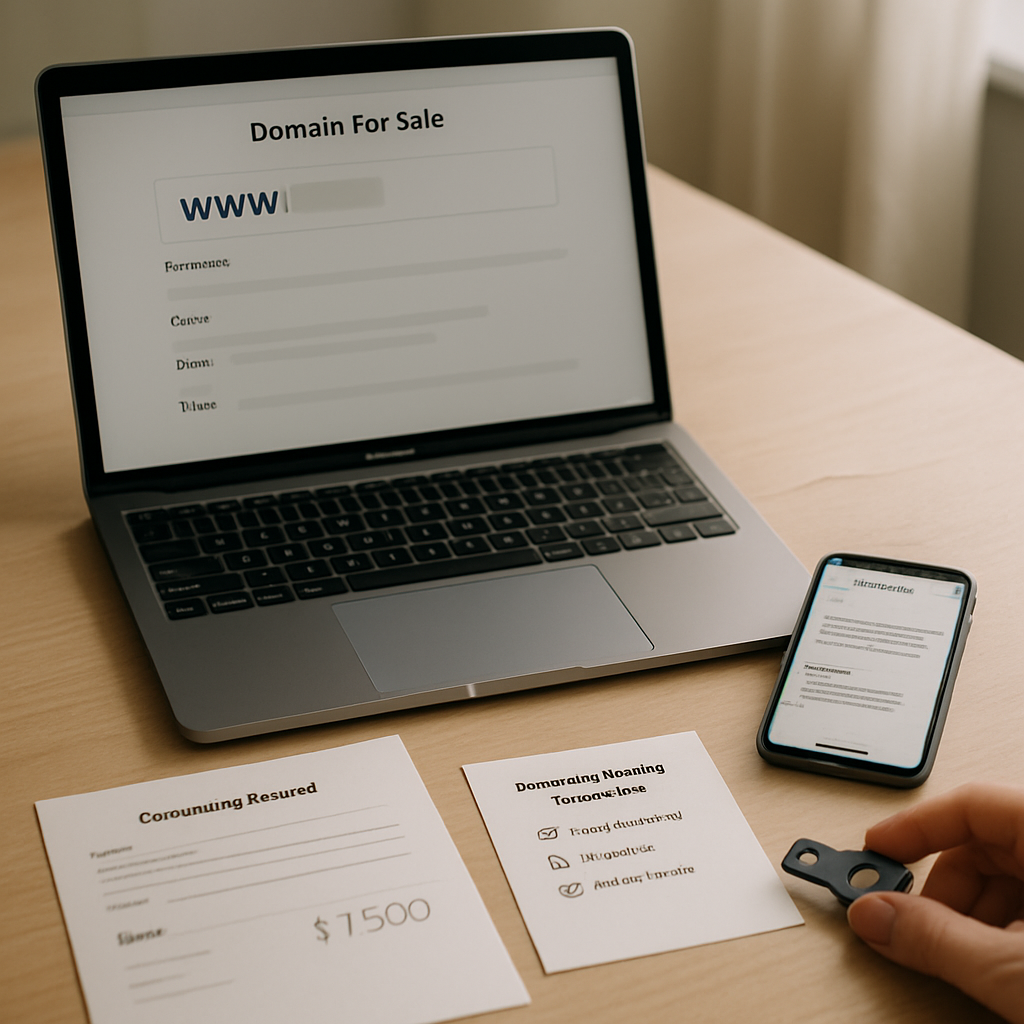
A useful checklist is practical: confirm what you own, state what’s for sale, decide what you’ll accept and plan the handover. With those points settled, you can negotiate with confidence and buyers can judge the domain on its merits.