Which Details from a Rajbet Support Conversation Are Worth Saving?
Introduction
A chat may seem settled once the window closes. But if a question is still open, an account issue needs follow-up, or an instruction is unclear later, a good record matters. It should capture what happened and what was agreed—not just a screen full of messages.
For a Rajbet support conversation, save the details that help someone understand the case: the issue, when it happened, the relevant transaction or event, the guidance provided and the next step. The goal is an accurate, proportionate record—not an archive of every detail on the account.
Understanding both sides of the conversation
The customer knows what they saw or tried to do; the support agent works from the information provided and the account context available. A useful record captures both perspectives clearly and fairly.
Start with the customer’s description of the problem. Note what they did, what happened and what remains unresolved. If the issue involves a sports event, market or bet, identify it as precisely as the conversation allows. Include a selection or transaction reference if one was provided. Don’t guess at missing details or rely on memory later.
Then summarise the support response. Record the explanation, any checks the agent said were needed, and whether the case was resolved, left pending or referred elsewhere. “Support looked into it” is less useful than a brief note explaining what they said would happen next.
Separate confirmed outcomes from possibilities. If the agent said the matter was under review, don’t record it as resolved. Label estimated or conditional next steps clearly so they aren’t mistaken for promises.
Key factors
1. The timeline. Record the date and approximate time of the conversation, including the time zone if it’s shown or relevant. For ongoing issues, note when the underlying event took place and when you first contacted support. A short timeline is often more useful than a long transcript without context.
2. The case reference and channel. Keep any ticket, case or conversation reference provided by support, and note whether you contacted them by chat, email or another channel. This can help link a follow-up to the earlier discussion. If there was no reference, don’t invent one; note that none was provided.
3. The subject of the case. Describe the issue in neutral terms and include only the identifiers needed to distinguish it from other cases, such as a transaction reference or the event name shown in the account. Leave out unrelated betting history and personal details.
4. Guidance and status. Record the instructions in the order they were given, including any conditions, requested documents or outstanding steps. Note the case status at the end of the conversation—resolved, awaiting review or requiring action. Don’t assume that silence means the issue is closed.
5. Evidence and context. A screenshot or transcript can preserve the wording and on-screen status. Make sure it’s legible and linked to the right case. Keep the original conversation where possible, and add a short written summary. If a screenshot omits the time, reference number or surrounding messages, note that it’s incomplete.
6. Privacy and security. Save only what’s needed to understand the issue. Never include passwords, one-time verification codes or full payment credentials in notes or screenshots. If a record contains unnecessary sensitive information, make a redacted copy for everyday use. Store the original securely, if you need to keep it.
Organise records so you can find them later. A note with a clear subject, date, reference and outcome is usually more useful than a folder of unnamed images. Keep it factual: separate your observations from the agent’s statements, and make clear when the conversation left something unresolved.
Match scenario
Imagine a customer asks about a bet on a sporting event and support says the issue needs further review. The record should not predict the outcome. It should identify the event and relevant transaction reference, summarise the question and response, and note the status and any stated next step.
If the customer contacts support again, the record gives the conversation a clear starting point. They can refer to the earlier case, explain what has changed and ask about the outstanding issue. Without a record, they may have to start over, and differences in wording or timing can make the case harder to understand.
If support provides an explanation and the customer considers the matter settled, a brief closure note can still help. Record the explanation and the date the conversation ended, without assuming it will apply to another transaction or a later event.
A support case isn’t decided by momentum, and there’s no need to build an argument out of every message. Focus on the relevant facts, avoid speculation and distinguish evidence from interpretation.
Conclusion
A useful record of a Rajbet support conversation is concise but complete enough to restore the context. Keep the timeline, reference, issue details, support guidance, status and next step. Save relevant evidence in a readable form, and remove or protect sensitive information.
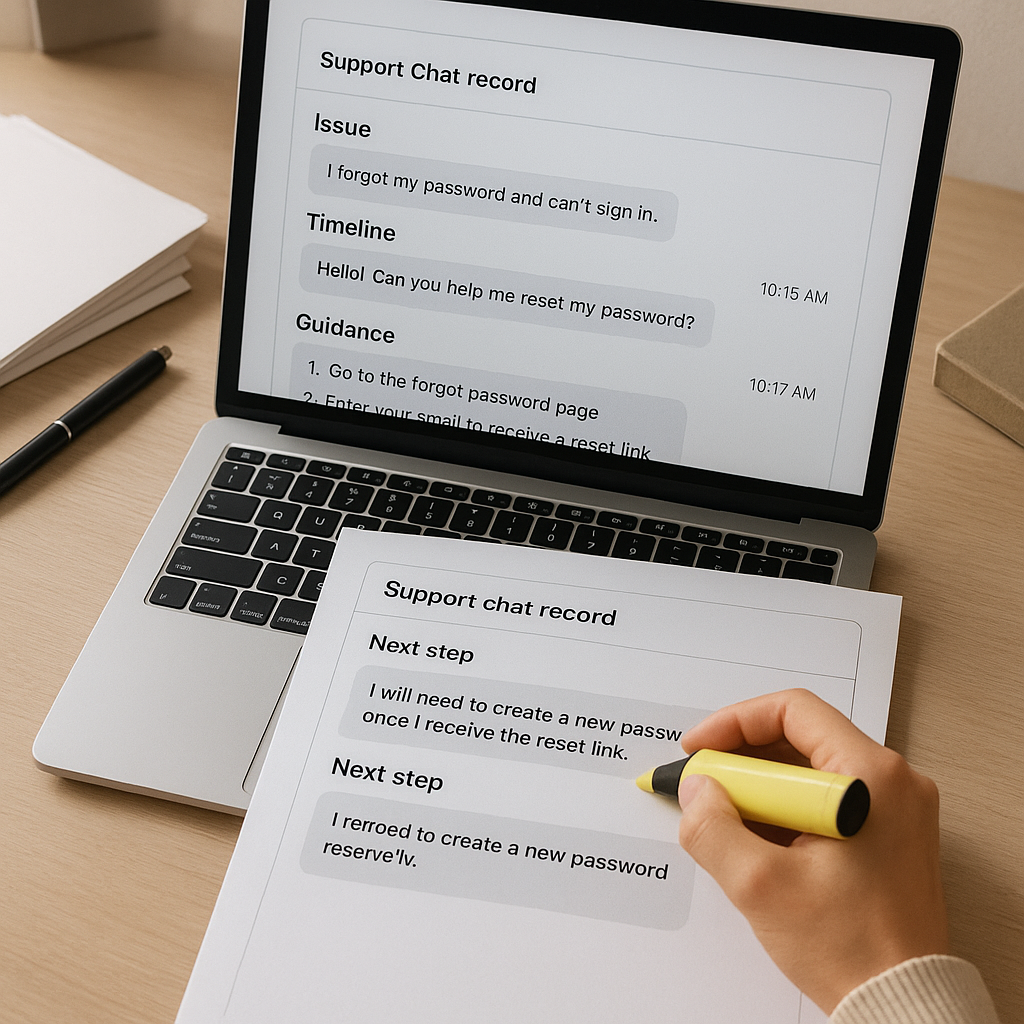
The record can’t guarantee a particular outcome, but it can make follow-up clearer. When you review the conversation later, the important details should be easy to find—and any unresolved questions should remain clear.