How Domain Extensions Influence Appraisal and Buyer Demand
Introduction
A domain name comes with an existing first impression. The name may be short, memorable and commercially useful, while its ending can make it seem familiar, specialised or unfamiliar to buyers.
That impression matters, but it does not determine the domain’s value. An extension can influence who clicks, who trusts the address and who considers buying it. A sound appraisal also weighs the name’s language, intended use, audience, comparable sales and the practical costs of using it. When comparing domain extensions, buyers should consider how each option affects the address as a whole.
A popular suffix is no shortcut to a high price. A strong extension may improve a domain’s appeal, but it cannot fix a confusing name or create demand where there is no clear buyer. What matters most is how well the name and extension fit the market. This is why domain extensions should be evaluated in context, rather than treated as a value signal on their own.
How buyers and sellers assess a domain
Sellers often focus on scarcity and identity: the name is concise, the extension is distinctive, and the combination feels like a brand. Buyers are more likely to consider how the domain will help them reach customers. Will people remember it, type it correctly and trust it enough to visit?
The extension is one part of that decision. A familiar ending may need little explanation, especially if the intended audience already recognises it. A less familiar one can still work well if it clearly signals a sector, community or product. Its value depends on the audience and the domain’s intended use. Comparing domain extensions for a particular audience can reveal which ending best supports that use.
That is why there is no universal ranking of domain extensions. Familiarity may help a broad consumer brand, while a specialised suffix may suit a focused service. The key question is whether the extension fits the name, buyer and market. Many domain extensions belong to distinct categories, including top-level domains, and buyers may encounter different expectations and rules for each.
The University of Iowa’s explanation of three-letter website extensions and how they work clarifies the difference between a website name and its ending. This distinction matters in an appraisal: an extension is part of an address, not a guarantee of the business’s quality.
Key factors
Recognition and trust. A familiar extension can reduce hesitation. Visitors may be less likely to question an address they recognise. But trust comes from the website, its reputation and how it treats users—not from the suffix alone. Buyers should assess the full experience rather than assume an extension makes a site safe. Familiarity can affect the perceived extension value, but it is only one part of the decision.
Audience and geography. A domain aimed at a local market may benefit from an ending associated with that place. An international business may prefer an address that works across borders. A geographic signal can also make a business seem less global, so buyers should consider whether it reassures their audience or limits their plans. These considerations help explain why domain extensions can perform differently across markets.
Meaning and memorability. An extension can complete a phrase, reinforce a brand or make a name easier to remember. It can also cause confusion if users expect a different ending, mistype the address or assume a connection to another organisation. Saying the domain aloud and asking someone to repeat it can reveal problems that a spreadsheet might miss. The best domain extensions for a brand are those that make its name clearer, not merely more unusual.
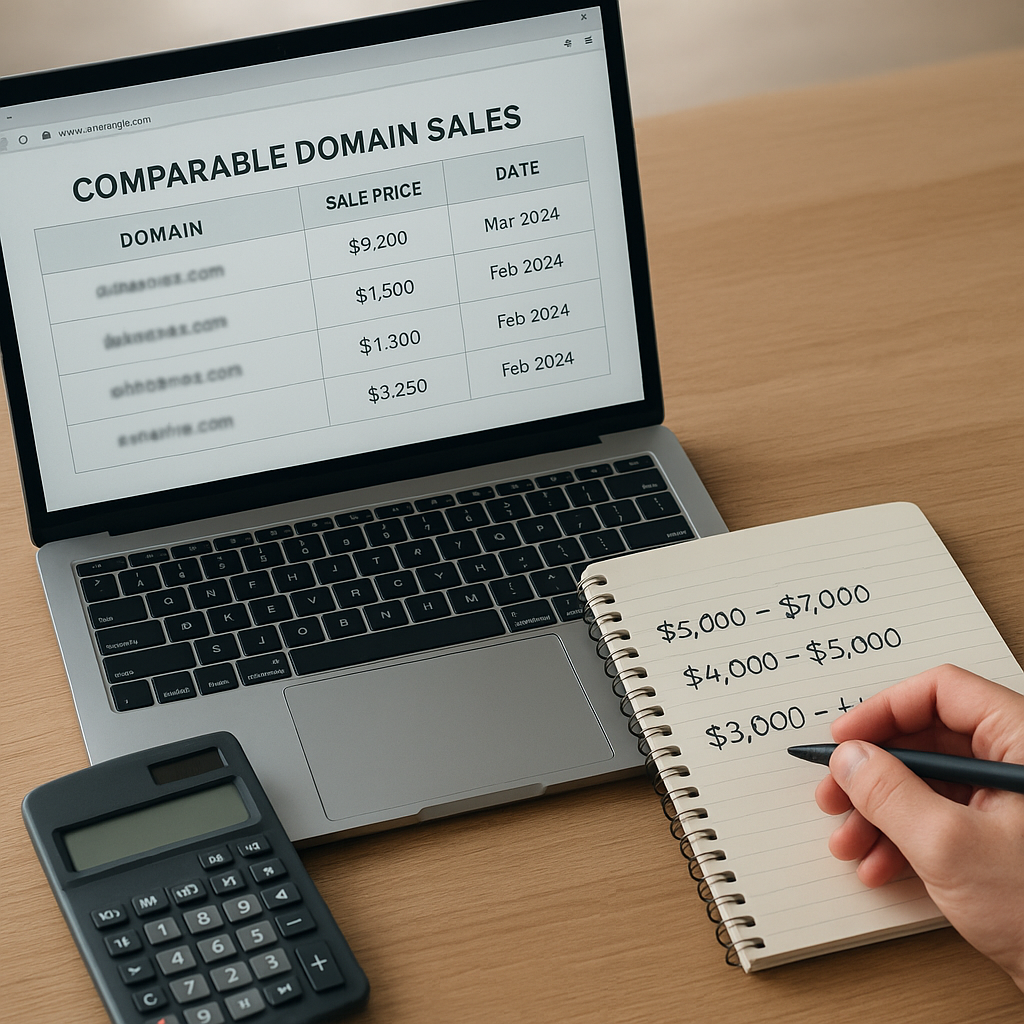
Comparable sales and liquidity. An appraisal is an estimate, not a promise of a future sale. Recent sales of similar domains can provide useful evidence, but comparisons should account for length, meaning, commercial use and extension. A sale to a buyer with a different audience or unusual motivation may not be relevant. When evidence is limited, the valuation range should be wider rather than falsely precise. A domain appraisal should assess extension value alongside the name, its likely audience and available sales evidence.
Registration and renewal costs. Buyers consider ongoing costs as well as the purchase price. Some extensions have higher registration or renewal fees, or rules that affect transfer and use. These factors can reduce the number of interested buyers, especially among small businesses that need predictable expenses. They do not automatically make a domain a poor choice, but they belong in the appraisal. Costs and restrictions can also shape the resale potential of domain extensions that appeal to a narrower group of buyers.
These factors work together. An extension is most valuable when it suits the audience, supports the name’s meaning and gives the likely buyer a clear advantage. Resale potential comes from a convincing use case, not novelty alone. In practice, domain extensions add value when they strengthen that use case without creating unnecessary friction.
Comparing two options
Consider two names for the same hypothetical service. One uses a familiar extension but is longer and less distinctive. The other is shorter and pairs naturally with a specialised extension. The first may be easier to recognise at a glance; the second may be easier to remember and more relevant to customers who know its category. Comparing domain extensions this way helps separate the appeal of the ending from the strengths of the name itself.
Neither option is automatically better. For a business that depends on broad consumer reach, the familiar address may require less explanation and lead to fewer typing errors. For a service aimed at a specific professional audience, the specialised option may communicate its purpose more clearly. In both cases, the buyer should test the name with potential users, check for confusing alternatives and confirm that the extension’s rules and costs fit the business plan.
A seller’s asking price should be backed by evidence. A strong valuation explains why the intended audience would value this particular name and extension, cites relevant comparable sales and notes any costs or limitations. Simply calling a suffix premium does not establish a domain’s value.
Buyer demand is strongest when a domain solves a clear need and has a practical path to use. A memorable extension cannot guarantee competition among buyers. One domain may be ideal for a particular business and irrelevant to everyone else.
Conclusion
Domain extensions influence appraisal by shaping recognition, perceived fit and the size of the potential buyer pool. They can strengthen a domain when the audience understands the ending and it supports the name’s purpose. They can weaken it when they create uncertainty, add costs or do not suit the intended market.

Sellers should explain the commercial value of the name and extension together, rather than simply praising the suffix. Buyers should distinguish familiarity from value and test how the domain works in practice. A sound appraisal relies on evidence and allows for uncertainty. The extension may help a domain get noticed, but its name, audience and use case determine whether anyone wants to buy it.